

Spring Allergies?
Here's What the Research Says About Quercetin
For many, Spring can mean the return of sneezing, itchy eyes, congestion and runny noses. Seasonal allergic rhinitis ‘hay fever’ affects millions of people each year and can significantly impact quality of life.
As a naturopath, one of the most common questions I hear during spring is: Are there any natural options that may help support allergy symptoms? One nutrient that continues to attract scientific interest is quercetin.
Quercetin is a naturally occurring plant compound found in foods like red onions, apples, berries, capers, broccoli and leafy greens. Quercetin is well known for its antioxidant properties, but researchers are particularly interested in its potential role in supporting healthy immune and inflammatory responses.
When allergies are triggered, specialised immune cells called mast cells release histamine and other inflammatory compounds. Histamine is largely responsible for many familiar allergy symptoms, including sneezing, itching and watery eyes. Lab and animal studies suggest that quercetin may help stabilise mast cells and reduce the release of histamine and inflammatory mediators, leading researchers to describe it as a potential natural antihistamine.
But what does the human research show? A recent systematic review and meta-analysis examining polyphenol compounds, including quercetin, found that they may help reduce several symptoms of allergic rhinitis, particularly sneezing, nasal itching and overall nasal symptom severity. However, the authors noted that the quality of evidence ranged from low to very low, highlighting the need for larger, well-designed clinical trials before firm conclusions can be drawn.
One of the safest and most accessible ways to increase quercetin intake is through a diet rich in colourful plant foods. Alongside quercetin-rich foods, a seasonal allergy-supportive approach may also include an anti-inflammatory diet, adequate vitamin C intake, healthy sleep habits and minimising exposure to known allergens where possible.
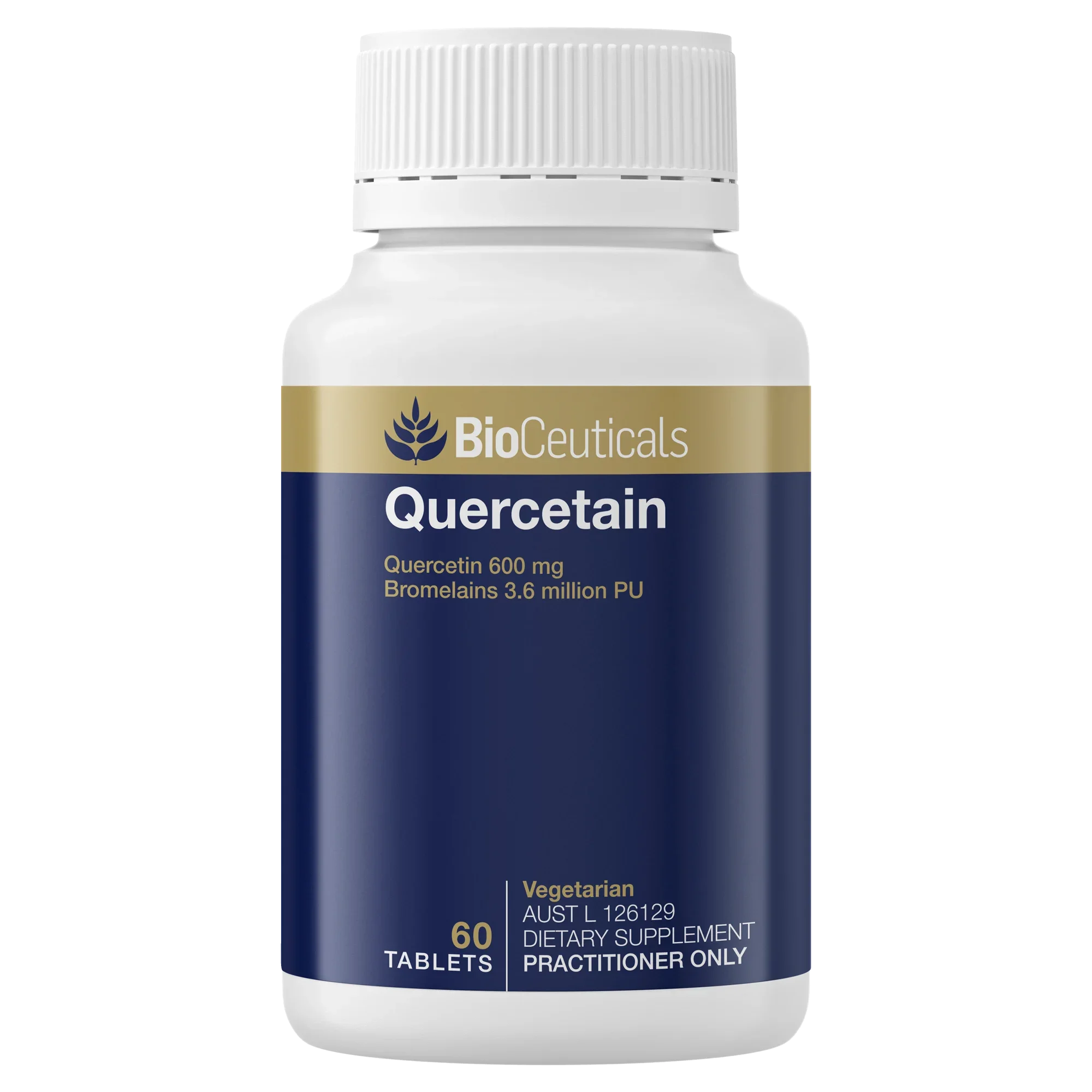
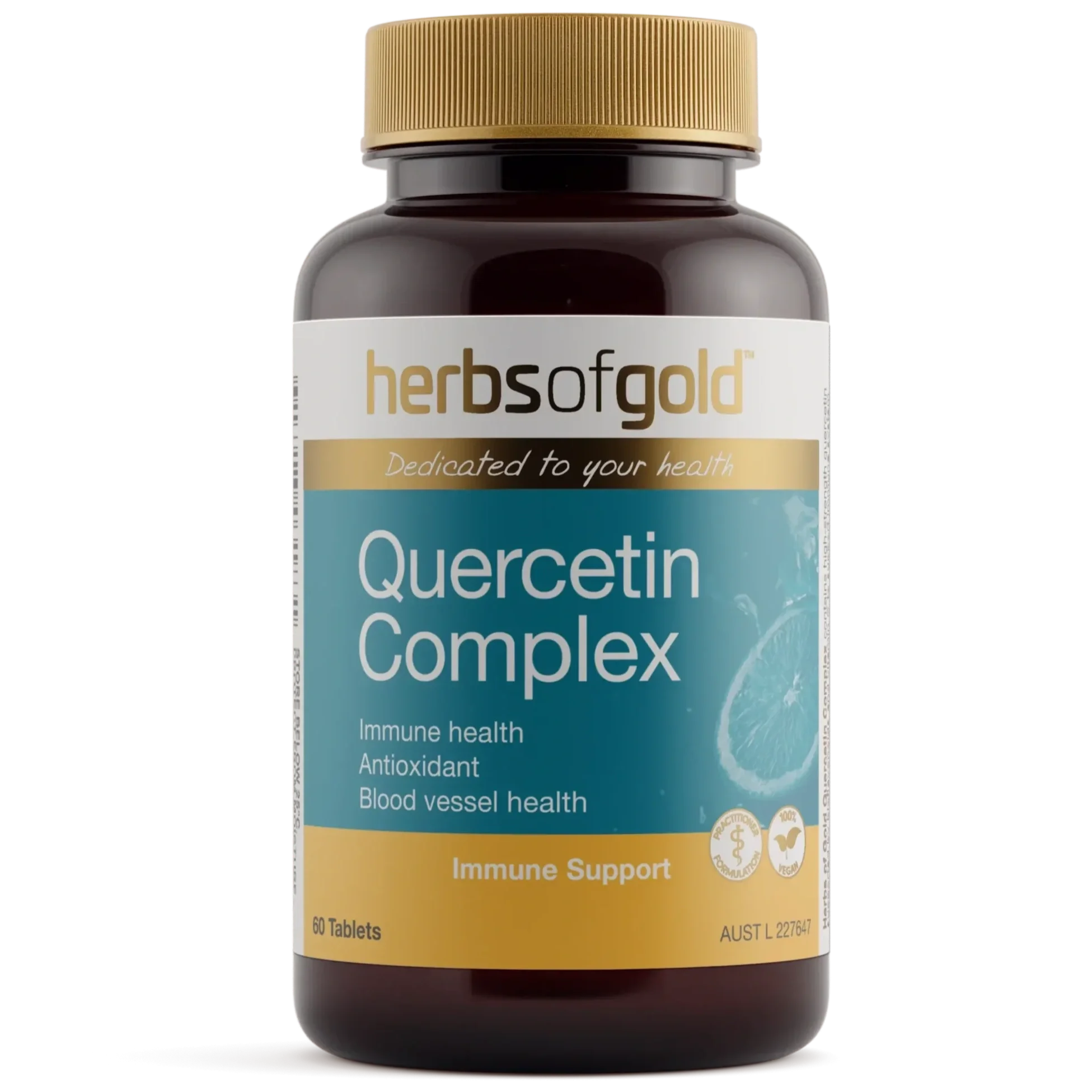
If you're considering a quercetin supplement, it's worth speaking with a qualified healthcare practitioner to determine whether it's appropriate for your individual needs and health circumstances.
The bottom line? Quercetin is not a miracle cure for hay fever, but emerging research suggests it may offer valuable support as part of a broader, evidence-informed approach to managing seasonal allergies. As research continues to evolve, this humble plant compound is certainly one to watch.
Written by Abby Dale
Naturopath BHSc
Ipswich Market Organics