
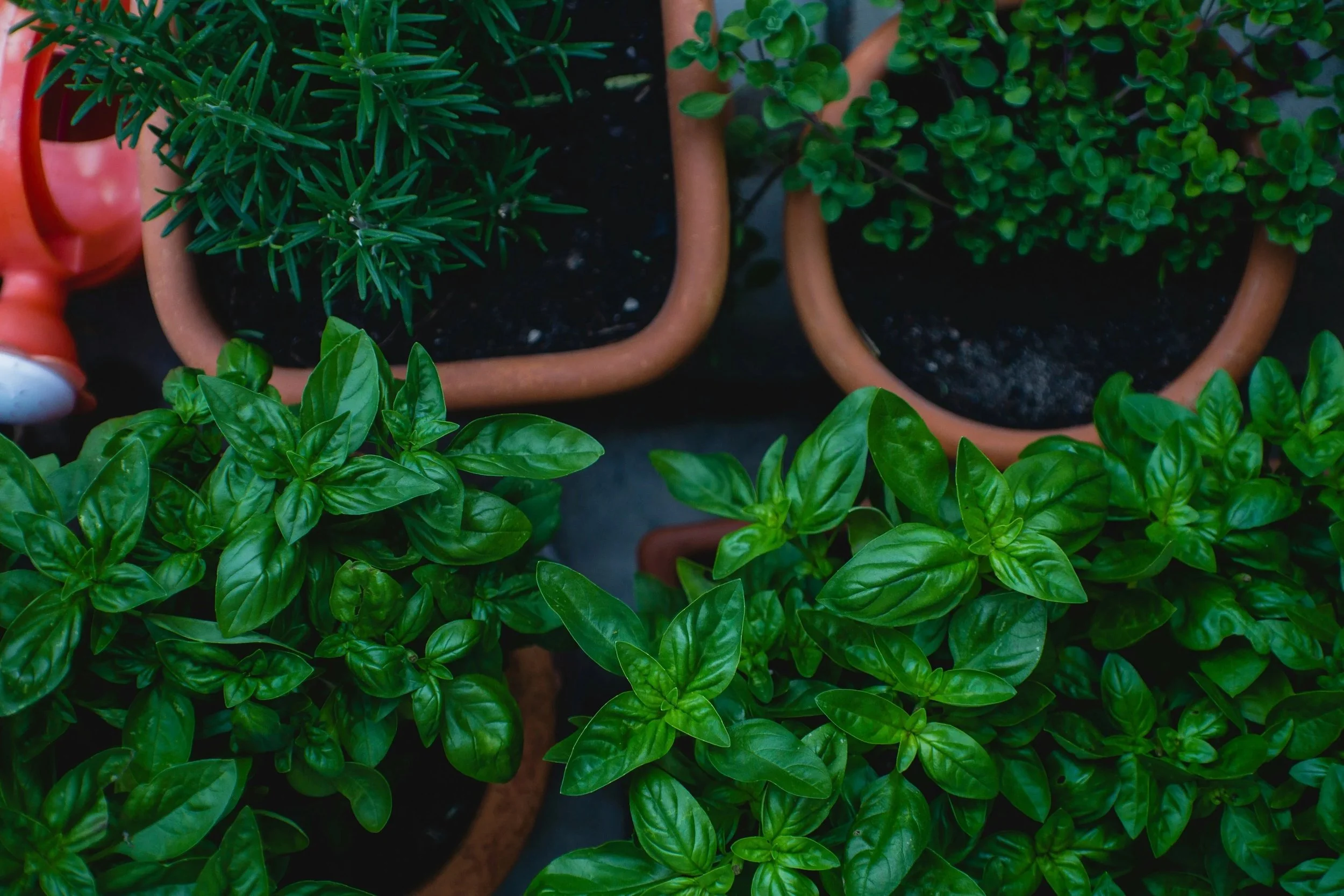
Growing Your Own Kitchen
Herbs for Health
There’s something incredibly satisfying about stepping outside and picking a handful of fresh herbs to add to your meal. Whether you have a spacious backyard, a sunny balcony or just a windowsill, growing your own kitchen herbs is an easy and rewarding way to bring more flavour, nutrition and connection to everyday life.
Fresh herbs have been valued for centuries in traditional food cultures, not only for their vibrant taste but also for the naturally occurring plant compounds they contain. While herbs aren't a substitute for a balanced diet, incorporating them regularly into your meals is a simple way to enjoy a greater variety of nutrients and support overall wellbeing.
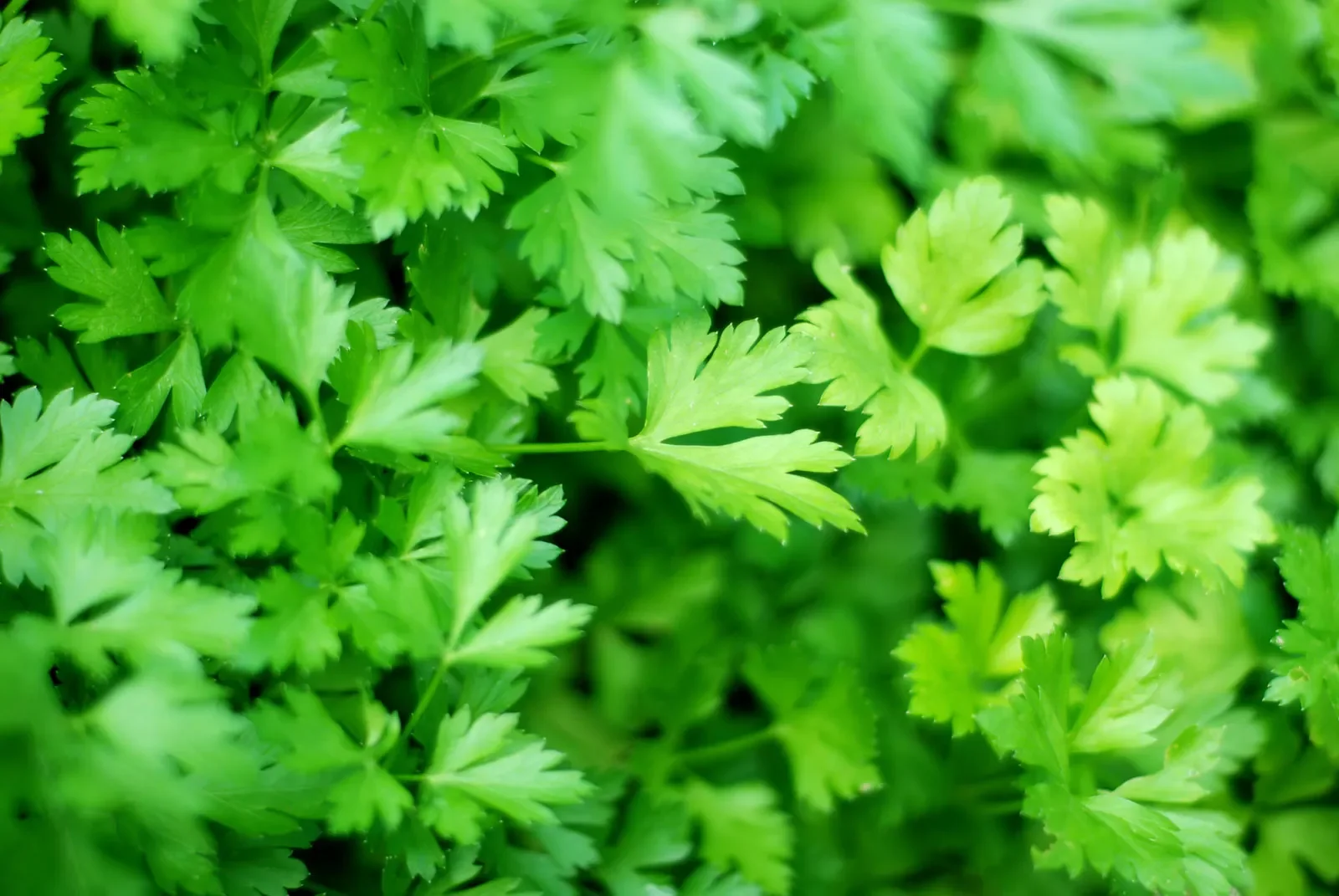
One of the easiest herbs to grow is parsley, which is rich in vitamin C, vitamin K and antioxidants. It adds freshness to salads, soups, nourish bowls and homemade pesto.
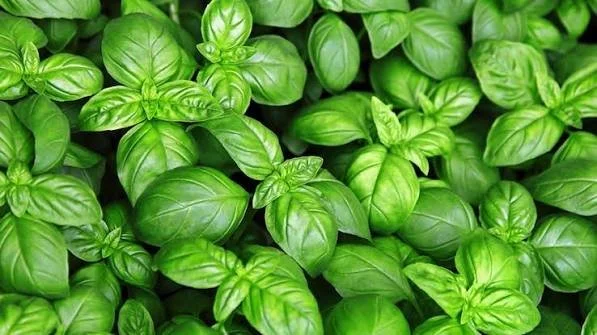
Basil thrives in the warmer months and pairs beautifully with tomatoes, pasta and fresh salads. It contains aromatic compounds that contribute to its distinctive flavour and has long been used in traditional cuisines around the world.
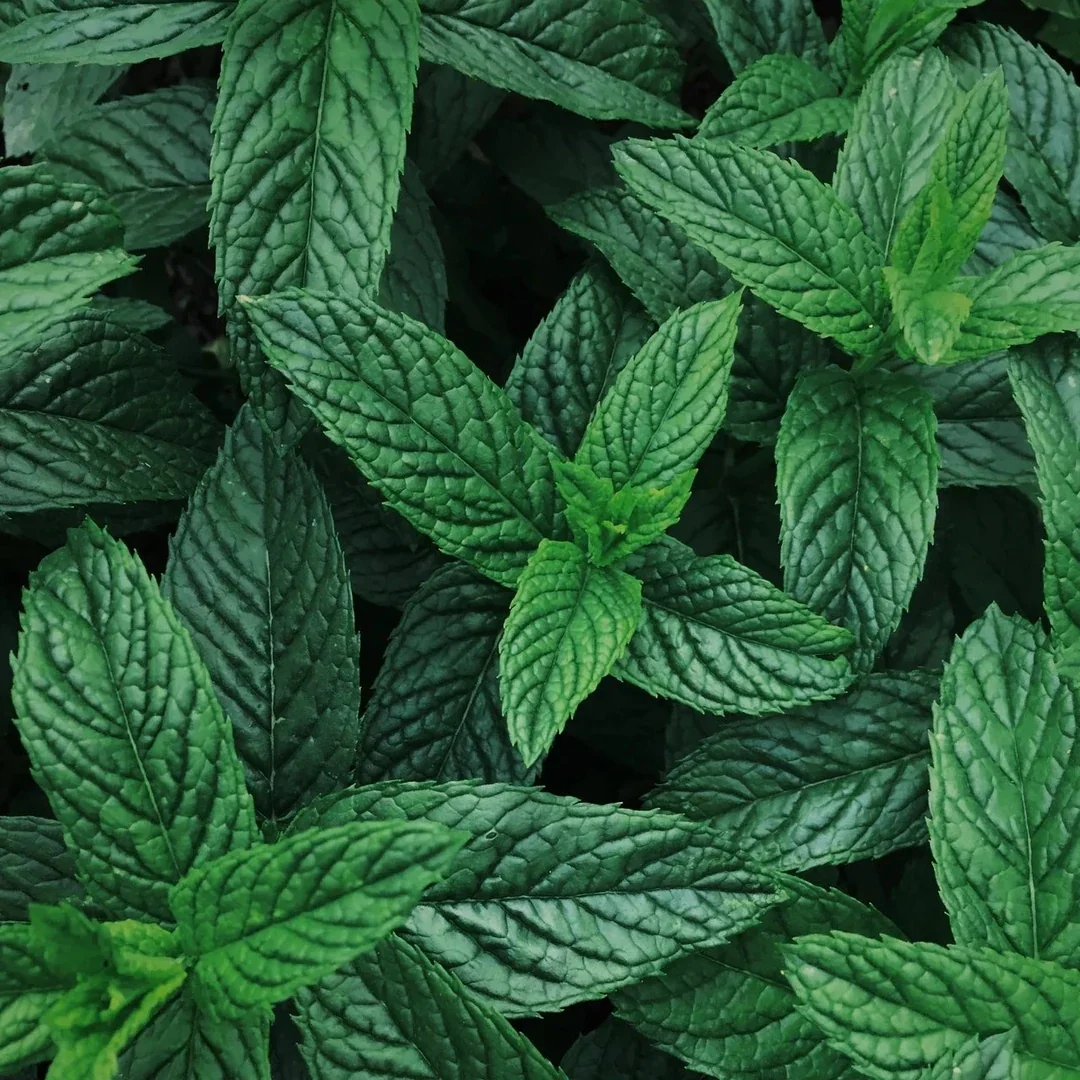
Mint is another resilient favourite, perfect for teas, smoothies and fruit salads. It grows enthusiastically, so planting it in a pot can help keep it contained.
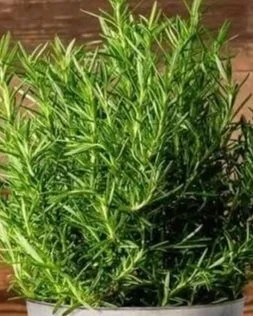
Rosemary is a hardy perennial that enjoys plenty of sunshine and is delicious with roasted vegetables, potatoes and legumes. Its fragrant leaves contain naturally occurring antioxidants that make it both a culinary and garden favourite.
If you're looking to support digestion, thyme, oregano and chives are all wonderful additions to your herb garden. These herbs are packed with flavour, making it easier to reduce added salt while still creating delicious meals.
Growing herbs offers benefits beyond what's on your plate. Gardening encourages time outdoors, gentle physical activity and connection with nature, all of which can contribute positively to overall health and wellbeing. Caring for plants can also be a mindful practice, helping us slow down and reconnect with the rhythms of the seasons.
Getting started doesn't require a green thumb. Most culinary herbs need just a few essentials: a pot with good drainage, quality potting mix, regular watering and at least six hours of sunlight each day. Harvest little and often by pinching the tips of your herbs, which encourages fuller, healthier growth.
Once you've gathered your harvest, don't let any go to waste. Fresh herbs can be frozen in ice cube trays with olive oil, blended into dips and pesto’s, infused into herbal teas or simply sprinkled over meals to brighten both flavour and presentation.
Growing your own herbs is also a wonderful way to involve the whole family. Children often enjoy planting seeds, watering the garden and tasting herbs they've helped grow, making it a fun introduction to healthy eating and where our food comes from.
This spring, consider starting with just two or three favourite herbs. Over time, you'll create a thriving edible garden that provides fresh ingredients right outside your door.
Sometimes the smallest additions to our daily routine, like a sprig of parsley, a handful of basil or a cup of fresh mint tea, can inspire healthier meals, greater appreciation for seasonal food and a deeper connection to the natural world.
Did You Know? Here are a few things you might not know
about some of our favourite garden herbs.
Basil loves a good harvest
Regularly picking basil leaves encourages the plant to produce more fresh growth. For the best flavour, harvest in the morning and pinch just above a pair of leaves.
Mint is a garden escape artist
Mint is wonderfully easy to grow but sometimes a little too easy! Its spreading roots can quickly take over a garden bed, so growing it in a pot is often the best way to keep it contained.
Parsley is more than a garnish
Fresh parsley is rich in vitamin K and contains vitamin C and antioxidants. Add a generous handful to salads, dressings, sauces and soups for a fresh burst of flavour.
Rosemary thrives on neglect
Once established, rosemary is one of the more drought tolerant culinary herbs. Give it plenty of sunshine and well-drained soil, and it will reward you with fragrant sprigs throughout the year.
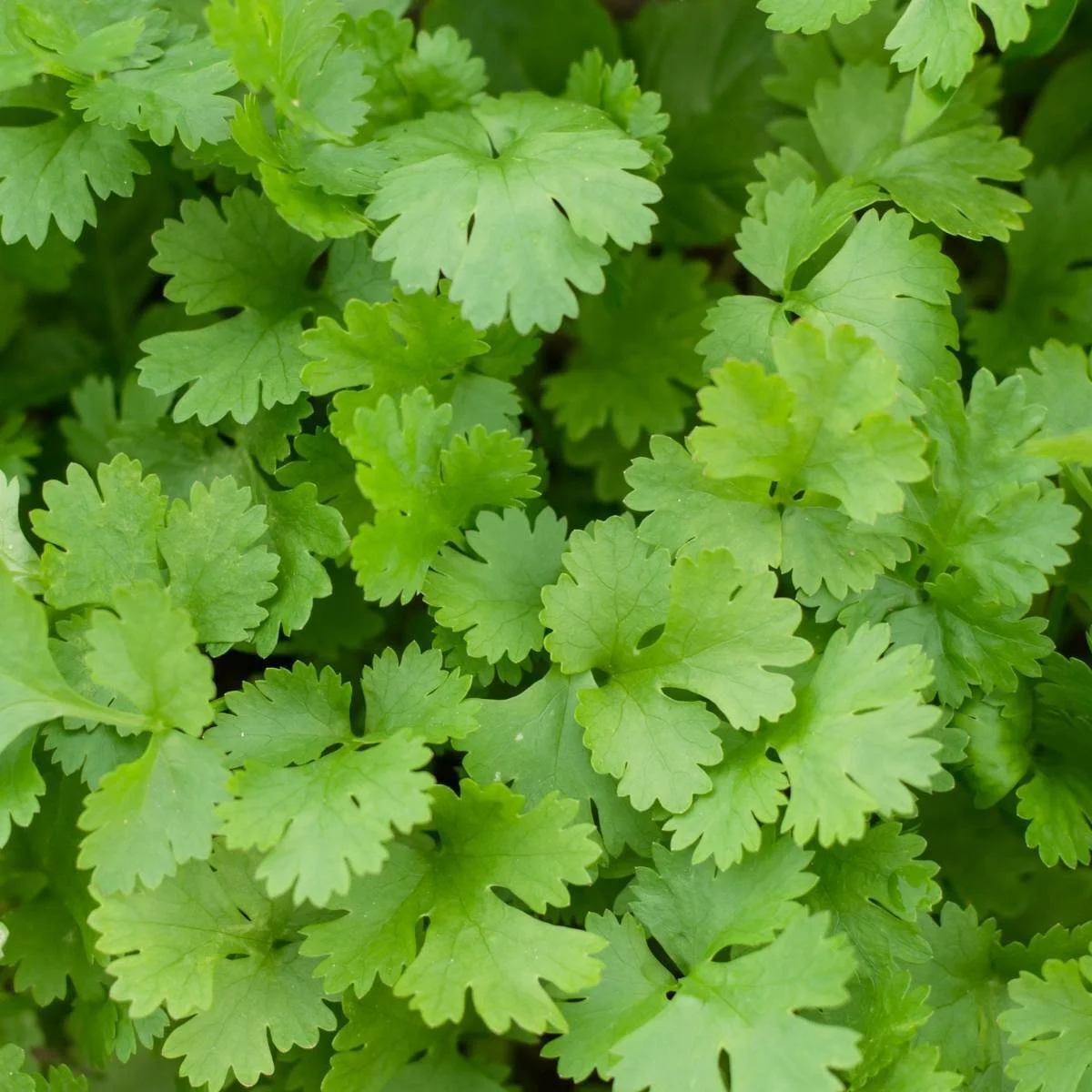
Coriander can be succession planted
Love coriander? Sow a small amount every few weeks rather than planting it all at once. This can help provide a more continuous supply of fresh leaves throughout the growing season.