DO YOU REALLY HAVE PARASITES?
Article written by Ipswich Naturopath Abby Dale
Parasites are a topic that often brings up discomfort, fear, or confusion. Yet from a naturopathic point of view, they are simply another part of the complex ecosystem we live in. Understanding parasites clearly and calmly helps us recognise when they may be contributing to symptoms and when further investigation is needed.
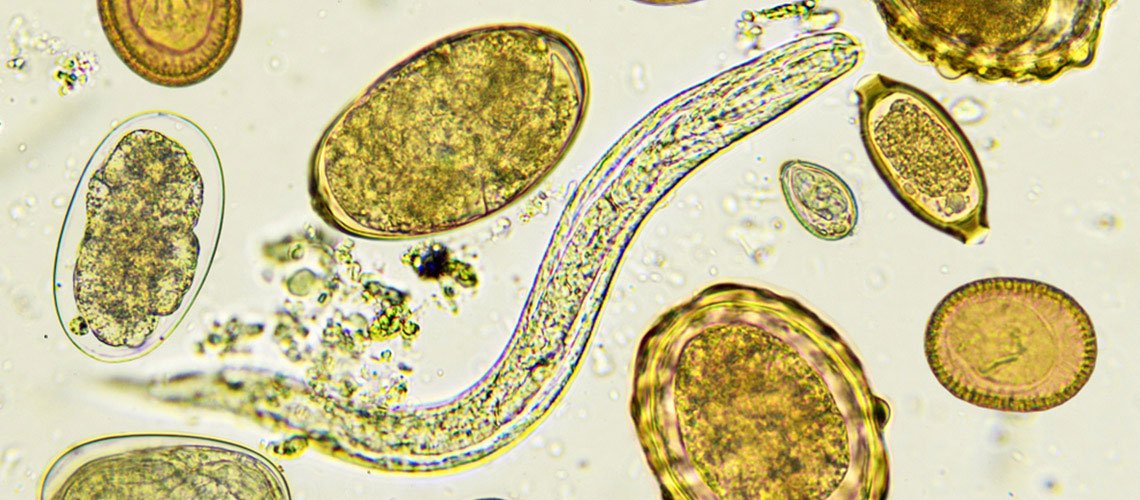
Parasites are organisms that live in or on another host and rely on that host for survival. In humans, parasites most commonly affect the gastrointestinal tract, though some may also impact other systems in the body. The most commonly discussed human parasites include Protozoa (microscopic organisms) and Helminths (worms, such as roundworms, hookworms, and threadworms). Many parasites can live quietly in the body without causing obvious symptoms, while others may contribute to digestive, immune, or systemic imbalances depending on the individual and their overall health.
Parasite infection can occur through everyday activities, particularly when hygiene, food handling, or environmental exposure come into play. Parasite exposure does not always mean infection. A strong digestive system, adequate stomach acid, healthy gut flora and robust immune function all play a role in whether parasites are able to colonise.
Common routes of exposure include:
Consuming contaminated food or water
Undercooked or raw meat and seafood
Unwashed fruits and vegetables
Contact with soil, sand, or animals
Travel, particularly to areas with different sanitation standards
Close contact environments such as childcare settings
Possible signs and symptoms include:
Ongoing bloating, gas, or digestive discomfort
Changes in bowel habits (diarrhoea, constipation, or both)
Abdominal pain or cramping
Unexplained fatigue or low energy
Nutrient deficiencies despite adequate intake
Skin concerns such as rashes, itching, or eczema
Anal itching, particularly at night (more common in children)
Poor appetite or increased cravings
Brain fog or difficulty concentrating
Not everyone with parasites will experience symptoms and these symptoms alone are not enough to confirm infection. Not every digestive symptom is due to parasites and not every parasite presence requires aggressive intervention. Parasite-related symptoms can vary widely and are often non-specific, which is why they may be overlooked or mistaken for other conditions. Naturopathic care focuses on understanding the terrain of the body, not just the presence of an organism. This is why testing and clinical context are essential.
From a naturopathic perspective, testing helps remove guesswork and allows for more targeted, appropriate support. Testing quality and interpretation are important. A single negative test does not always rule parasites out, and results should always be assessed alongside symptoms, health history, and overall gut function.
The most common testing methods include:
Comprehensive stool analysis, which may identify parasites, eggs, or related markers
PCR stool testing, which can detect parasite DNA and may improve accuracy
Multiple sample testing, as parasites can be shed intermittently
Naturopathy views parasite susceptibility as part of a bigger picture. Factors such as gut health, immune resilience, stress levels, nutrient status and digestive strength all influence whether parasites are able to thrive. Rather than fear-based approaches, naturopathic care prioritises strengthening digestive and immune foundations, supporting the gut environment, individualised assessment and testing and thoughtful, evidence-informed treatment when appropriate. Parasites are one piece of a much larger puzzle. With the right investigation and support, they can be addressed safely and effectively within the context of whole-body health.
If symptoms are persistent, unexplained, or not responding to general gut support, it may be appropriate to seek professional guidance. Support from a qualified practitioner may be helpful if digestive symptoms have been ongoing or recurrent, there is a history of travel, food poisoning, or gastroenteritis, symptoms began after antibiotic use or illness, nutrient deficiencies are present without a clear cause, or children are experiencing ongoing digestive or immune concerns.
A naturopathic approach focuses on clarity rather than assumption. This may involve appropriate testing, a thorough health history and a treatment plan that supports the body as a whole, rather than targeting symptoms in isolation. Parasites are not something to fear, but they are also not something to self-diagnose. Individualised care ensures that the right support is offered, only when it is truly needed.

Article by Naturopath Abby Dale
Abby is a qualified Naturopath who believes in the power of a holistic approach, viewing each individual as a whole. Abby weaves together the physical, emotional and environmental aspects of a person’s wellbeing, creating treatments as unique as their journey. Abby’s aim is to provide personalised care that restores harmony to the body and nurtures overall vitality. You can find Abby at our Ipswich store on Sundays, Mondays, Tuesdays.